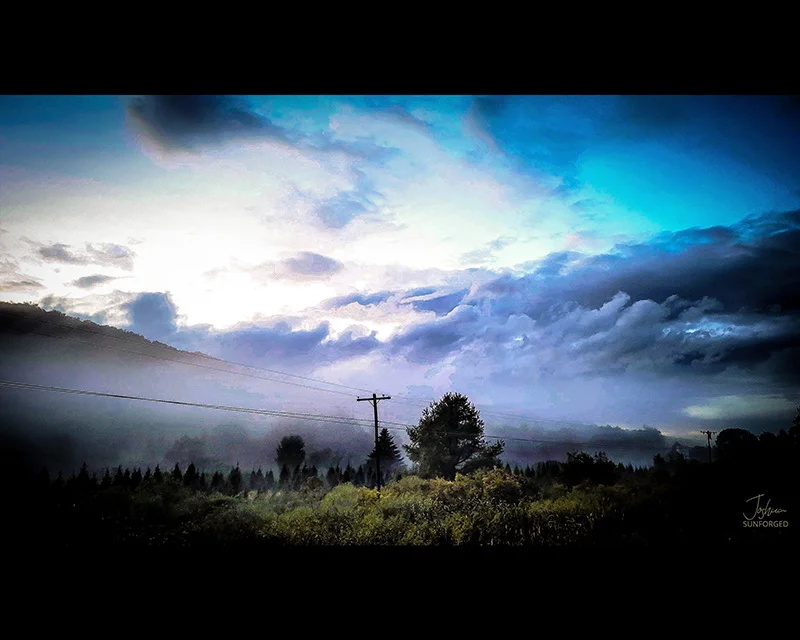
Tully Lake is a glacial kettle lake in the hills south of the village, at the end of a steep gravel road that most people who live in Tully have driven past without knowing the road goes anywhere. That is part of the appeal. The lake sits in a forest bowl without the surrounding development that characterizes most accessible water in this part of Onondaga County, and the absence of development is not an oversight. The DEC has maintained the boat launch access and left the lake largely alone, which is the correct policy for a kettle lake this size in this setting.
The launch itself is a clearing at the water's edge, gravel lot, no facilities of substance. A dock or two depending on the season. The road down to it is steep enough to remind you that the gravel needs to be dry before you take anything down it in a hurry. I have been here at 6am and at 11am and the difference in what you find is substantial. At 6am in the shoulder seasons you are usually by yourself. By 9am on a July Saturday the lot has company, though never the kind of crowd that makes the place feel crowded in any real sense.
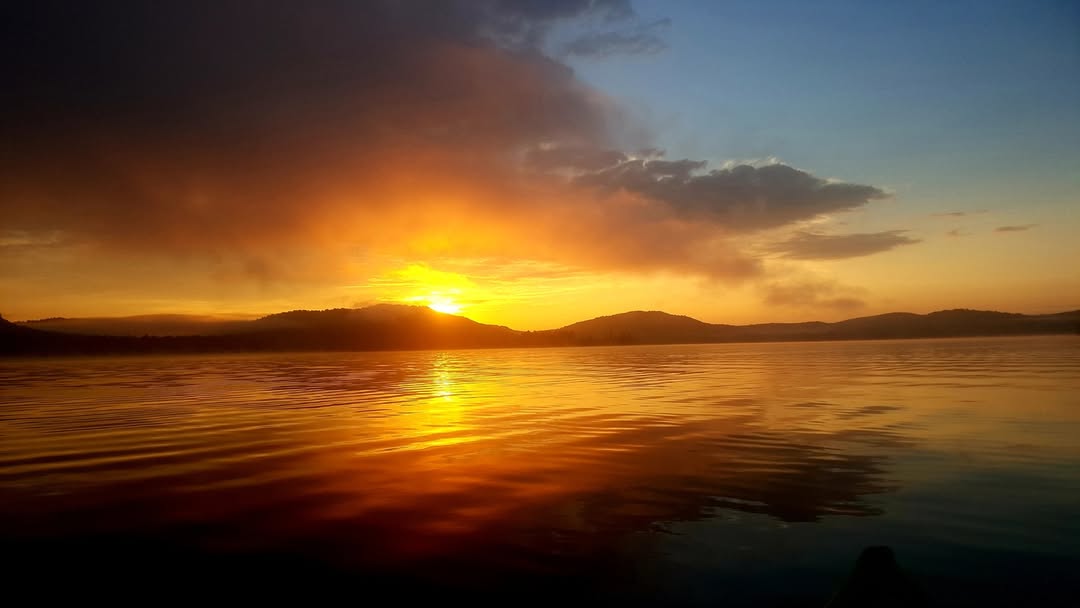
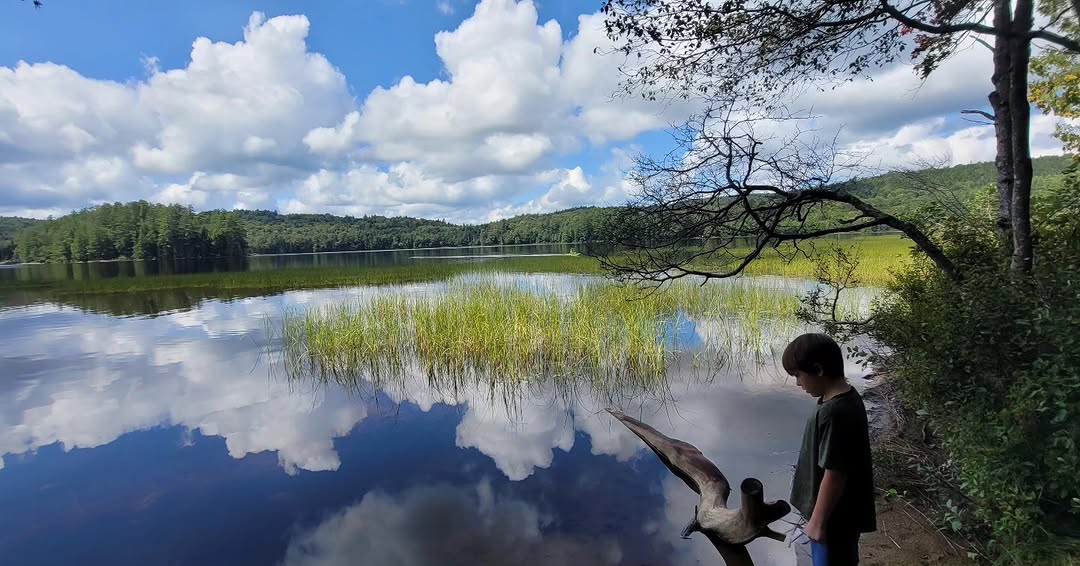
The water holds until late morning in the calm months before the prevailing breeze starts working. That window between first light and the first real wind ripple is the window I am here for. Kettle lakes at that hour, with the forest canopy tight to the waterline and no development on the far shore, produce a reflection quality that is distinct and that does not replicate on larger water where the fetch is longer. The stillness here is complete enough that the upside-down version of the treeline is almost geometrically precise.
Birdsong in the early morning at Tully Lake is worth the trip independent of the photography. The bowl shape of the glacier-carved depression collects and amplifies the dawn chorus in a way that is acoustically specific to the site. Wood thrushes in late spring. The occasional loon, which is always a surprise this far south. Kingfisher working the shoreline at the northern end where the shallows extend furthest.
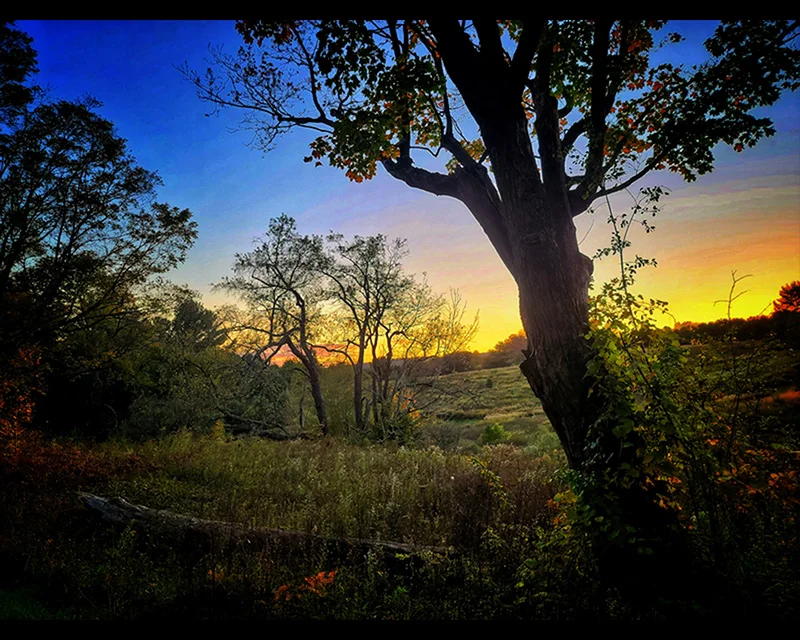
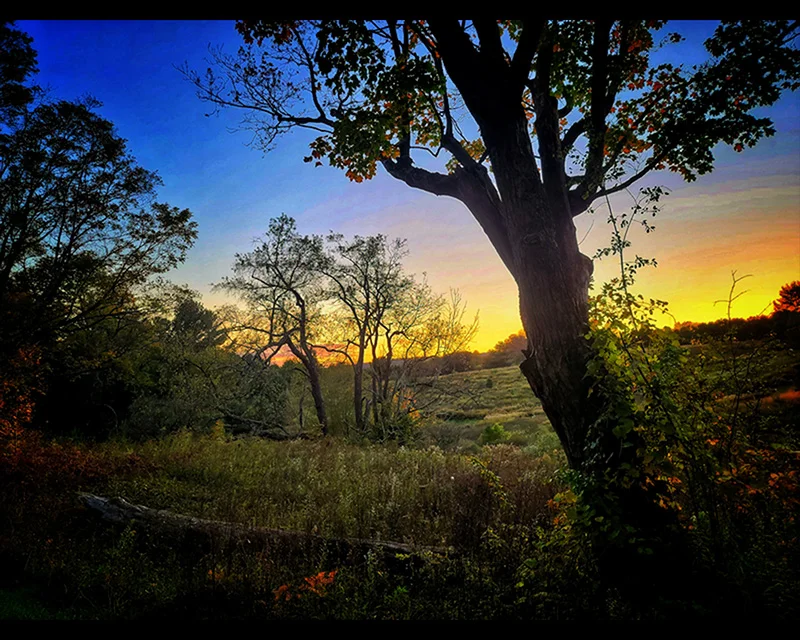
In September the bog vegetation along the eastern margin shows its fall color shift before the surrounding forest does, which creates a fringe of rust and amber at the waterline during the transition period. That fringe works well photographically as a foreground element with the dark water behind it.
A check-in rather than a verdict. No rating committed because this is a place I use as a working location and a reset, not as a destination to be graded. The DEC manages it modestly and leaves it largely to itself, and the lake is the better for that. Regular stop on any southbound day that starts early.
From This Area
All Galleries ›