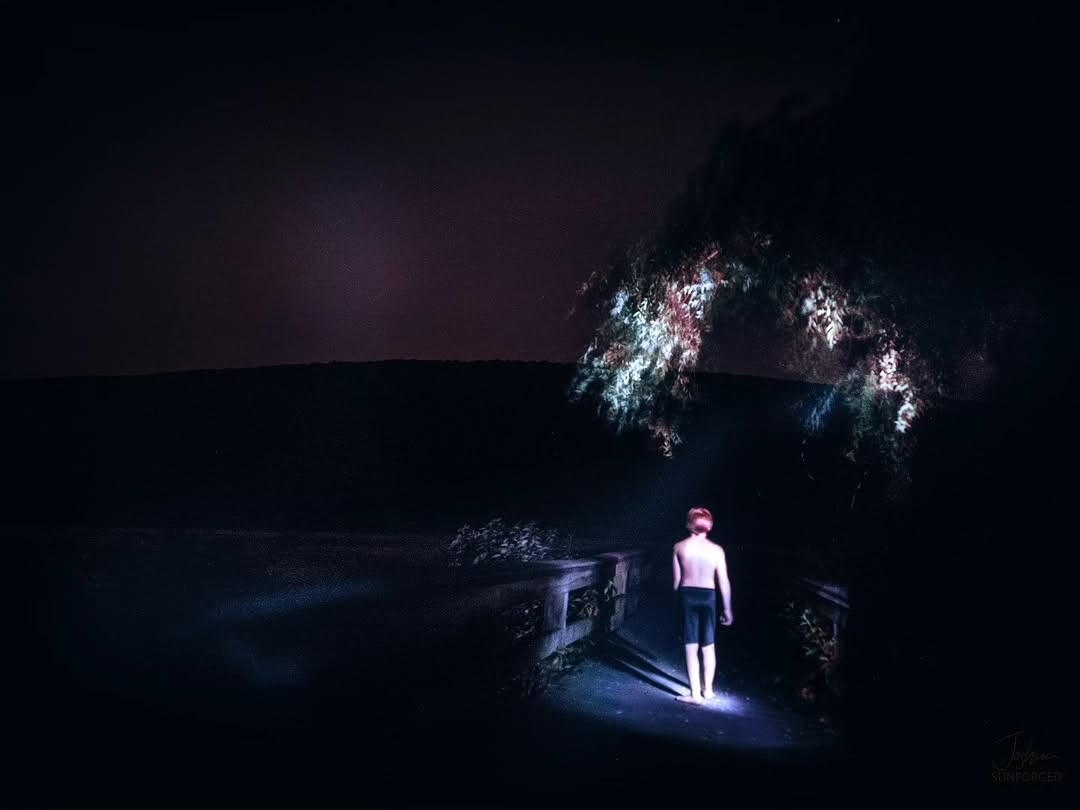
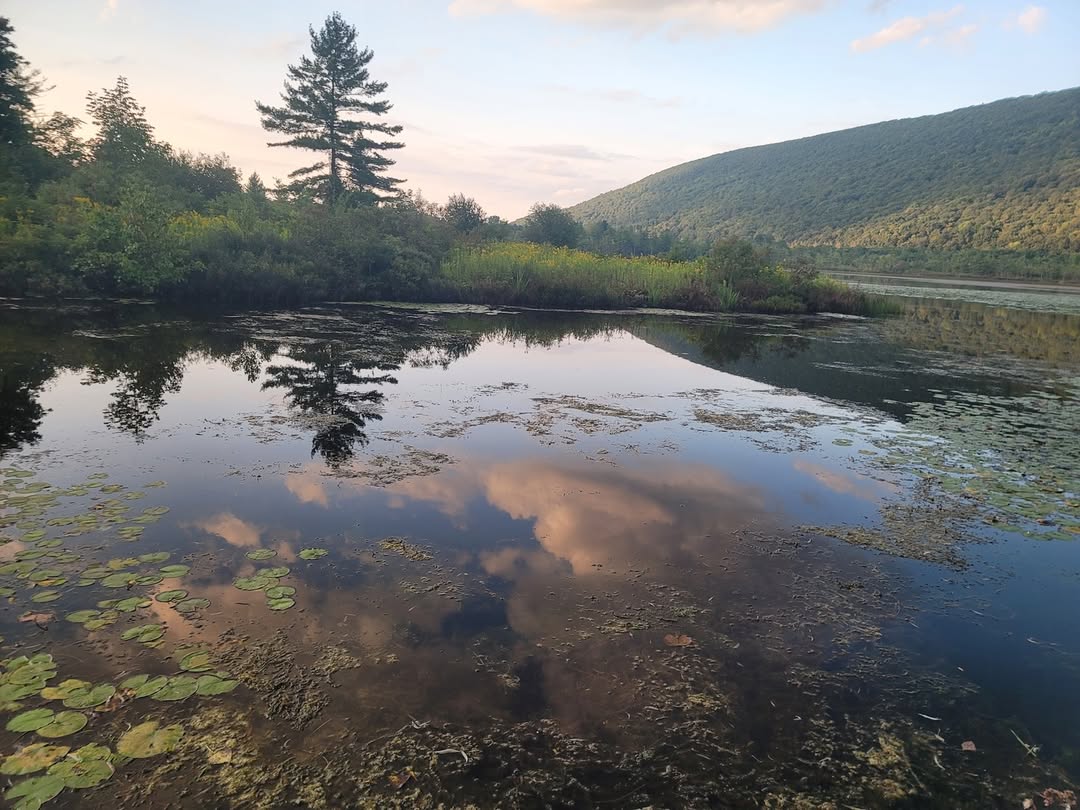
The Newfield Covered Bridge on Bridge Street in Newfield is one of the surviving examples of nineteenth-century timber bridge construction in the Tompkins County corridor, and it is the kind of photographic subject that looks straightforward until you are standing in front of it with a camera and realize that the light, the approach angle, the water level beneath the bridge, and the agricultural and forest context framing it are going to make or break whatever you are trying to produce. I have been here in multiple seasons and the August version, with the creek running low and the light working at a specific low angle through the bridge's open portal in the early morning, is among the stronger conditions.
The bridge was built in 1853 in the Town lattice truss style, which is the dominant covered bridge engineering approach of the pre-Civil War era and one that produces the distinctive diagonal-lattice interior ribbing pattern visible when you are inside the structure looking in either direction along its length. The Town lattice design was patented by Ithiel Town in 1820 and became widely adopted because it could be assembled from planks rather than requiring the heavy timber framing that earlier bridge designs demanded, which made it an appropriate choice for rural communities with access to lumber mills rather than to professional timber framers. Understanding why the bridge was built the way it was built is part of what gives the structure meaning as a photographic subject: it is a community-built object answering a specific engineering requirement with the materials and skills available in 1853.
The timber in the structural members is original. The portals have been repaired and rebuilt over the generations of the bridge's use. The overall condition is good for a structure of this age maintained in active pedestrian use rather than as a static museum object.
The access from Bridge Street provides viewpoints from both the road and from the banks of Cayuta Creek below and above the bridge. The downstream creek bank provides the best angle to the bridge's portal and to the water movement beneath it. The interior of the bridge, particularly on the first crossing from outside into the dim interior, is one of the more compelling architectural photography situations in the region: the lattice pattern overhead, the dark interior framing the bright portal opening at either end, and the sound of the creek running below the plank floor.
When I am on the Route 13 corridor between Cortland and Ithaca with any margin in the schedule, this stop is worth making. Ten minutes under good light conditions covers the main angles. An hour covers it properly. Both times that allocation.
From This Area
All Galleries ›

Nearby Visits
The Day's Trail
August 19, 2023